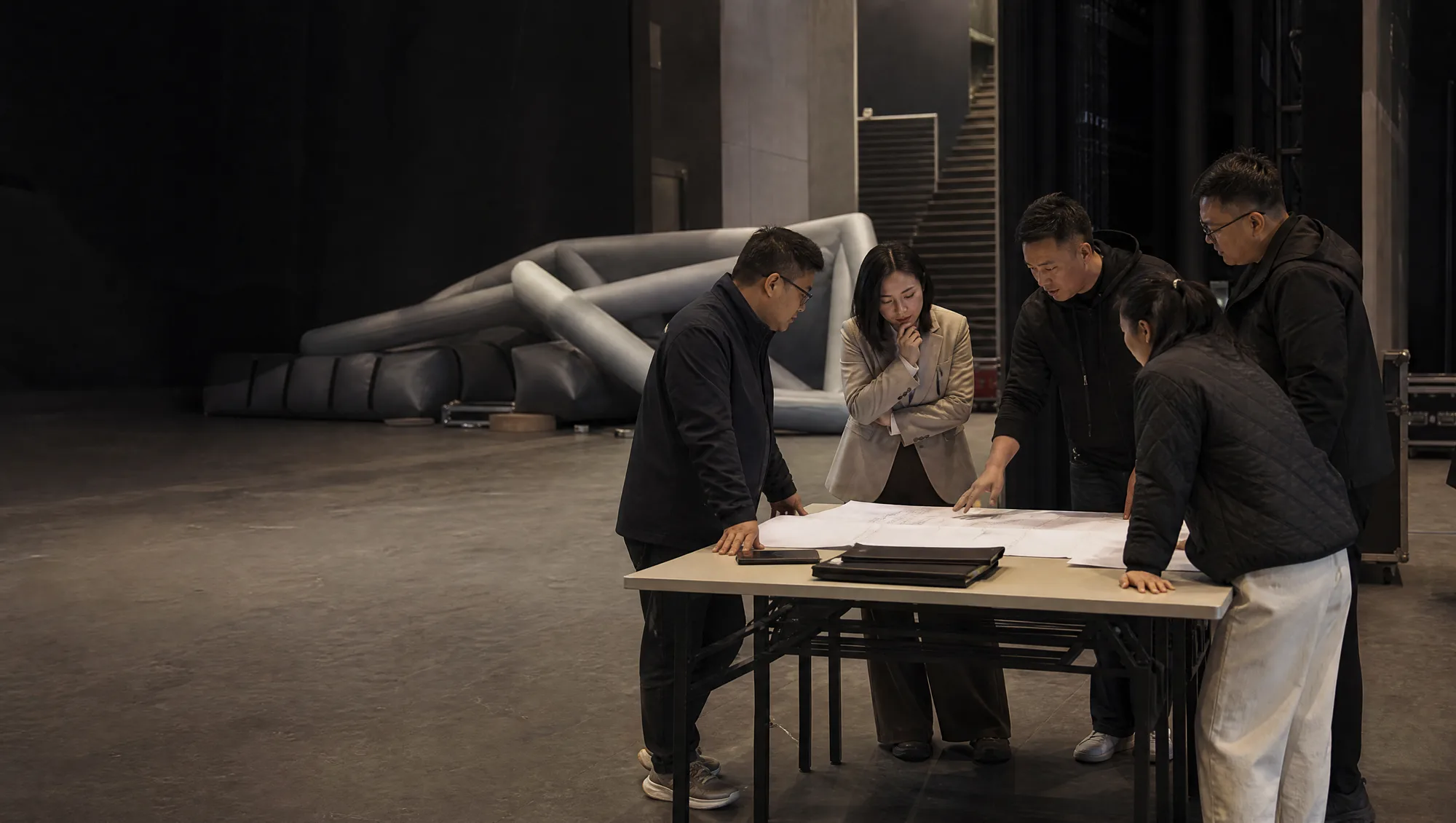
Map the Project Parties Before Assigning Assumptions
Start by listing the agency, brand or project owner, venue, installation partners, and any other parties who have a role in the event. The purpose is not to decide liability from a webpage; it is to make sure the right questions reach the people who can answer them.
Each project has its own commercial arrangements and venue process. A working list makes it easier to see where a responsibility has an owner, where it is shared, and where it has not yet been assigned.
Follow the Venue’s Review Path Rather Than a Generic Template
Ask the venue what it needs to review, when it needs to see it, and which party should provide each item. Requirements can depend on the site, event arrangement, installation approach, and the venue’s own operating process.
Record the request in plain language and attach it to the project decision log. This avoids turning an incomplete early conversation into an implied statement that all requirements have already been met.
Keep Scope Boundaries and Evidence Routes Visible
The project record should separate what each participant is preparing, what has been received, and what is still awaiting confirmation. It should not present a brochure statement, a concept image, or a generic checklist as proof of a project-specific condition.
This clarity helps agency teams coordinate an installation conversation without implying that the studio, venue, or another participant is taking responsibility beyond the scope that has actually been agreed.
Escalate Formal Questions to the Right Adviser
Questions about insurance terms, legal liability, contractual allocation, permits, or final approval need the relevant qualified adviser or decision-maker. The production conversation can identify the question, but it should not substitute for that confirmation.
The most useful outcome is a clear next action: who needs to respond, what project information they need, and when the answer is required for the next planning decision.