
Products / 8 directions
Inflatable Product Replicas
Custom inflatable product replicas turn recognisable packaging and branded objects into large-format campaign displays for product launches, retail activations and live events. Compare bottle, can, beauty and food-packaging directions, then review the proposed shape, artwork and build approach against the brief.
Design directions, not delivered-client examples. Feasibility and configuration are assessed for each brief.
Browse directions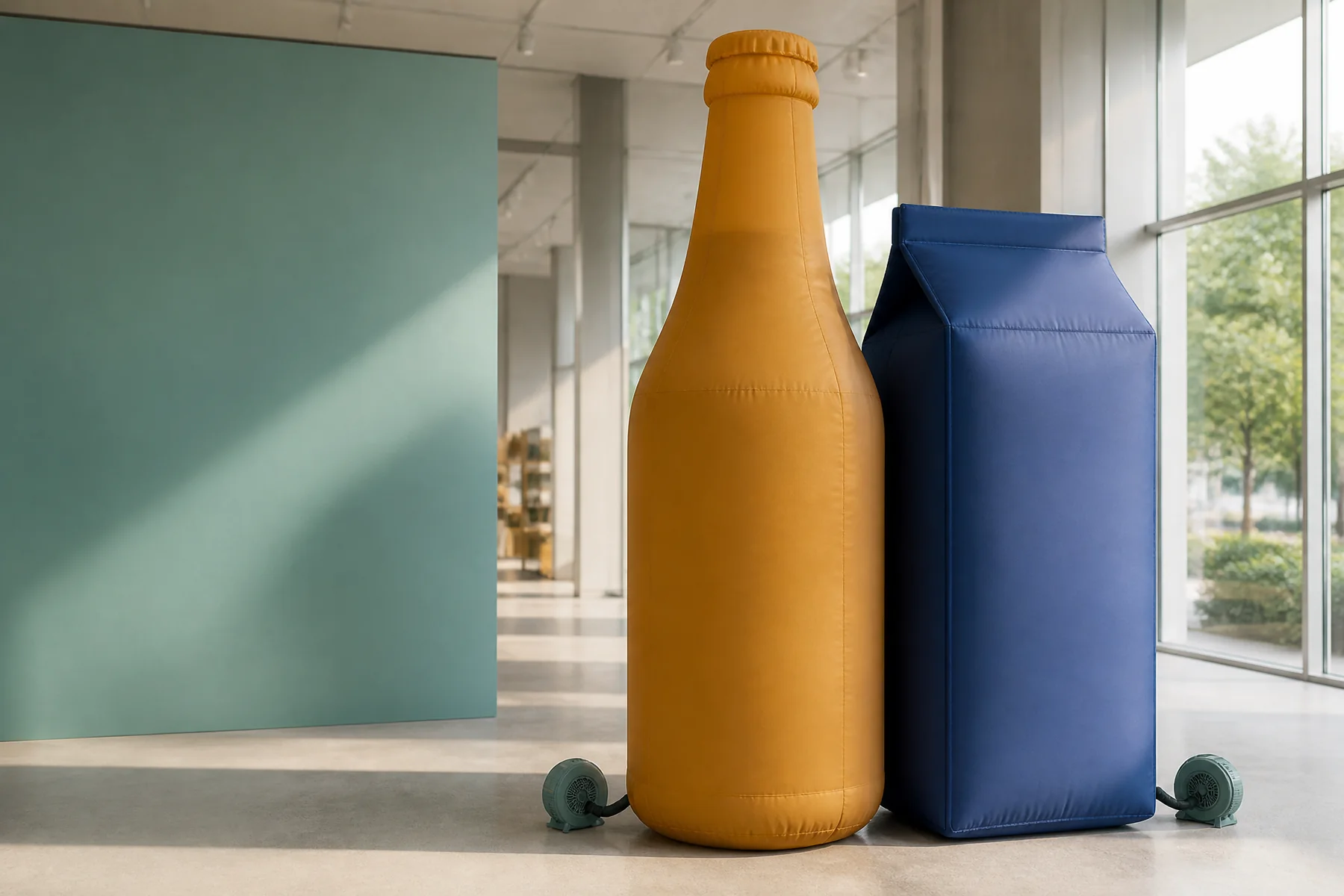
The forms
Explore product replicas.
For brand teams and marketing agencies planning product launches, retail activations and campaign photo moments.
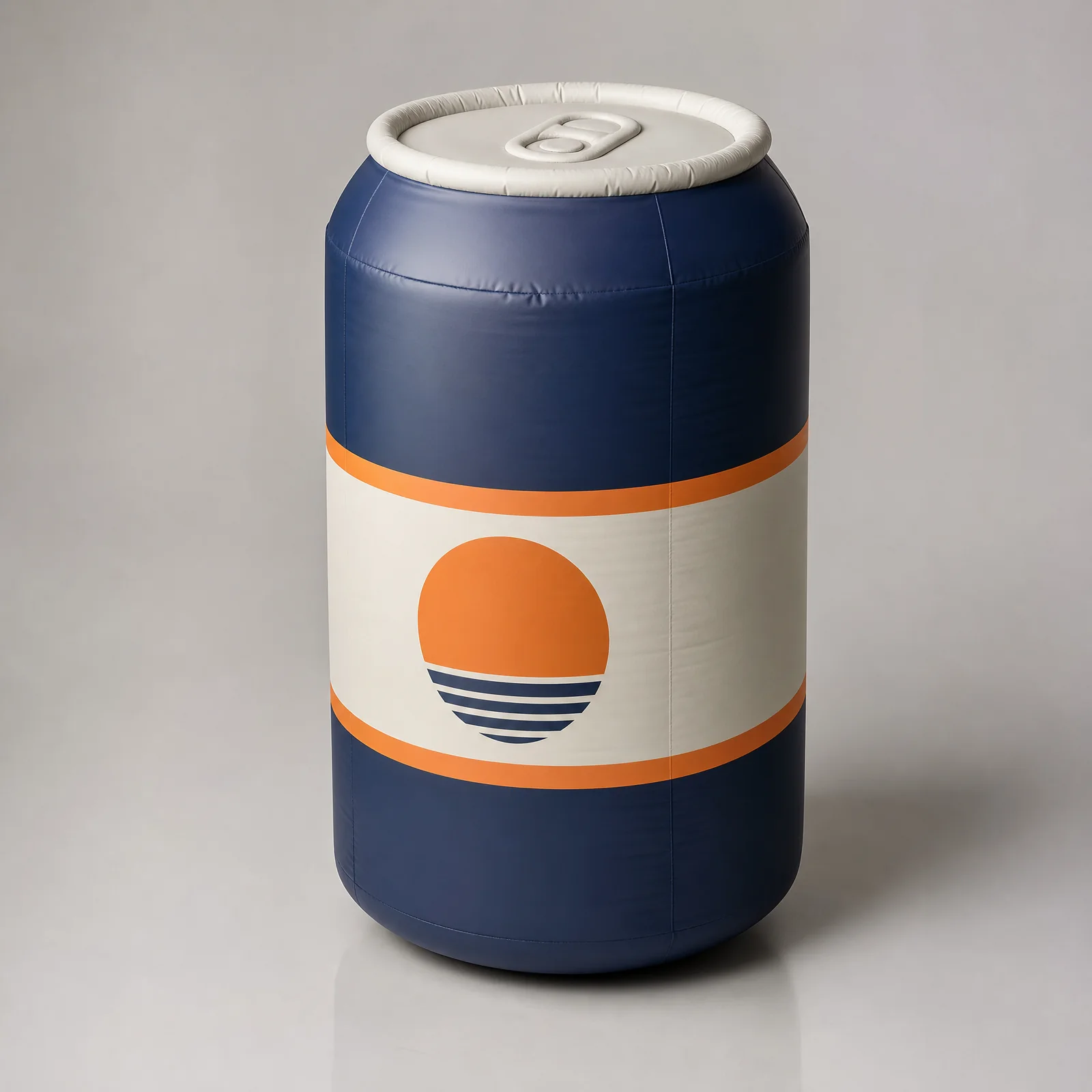
Inflatable Beverage Can
drink launch and fan-zone landmark
Explore direction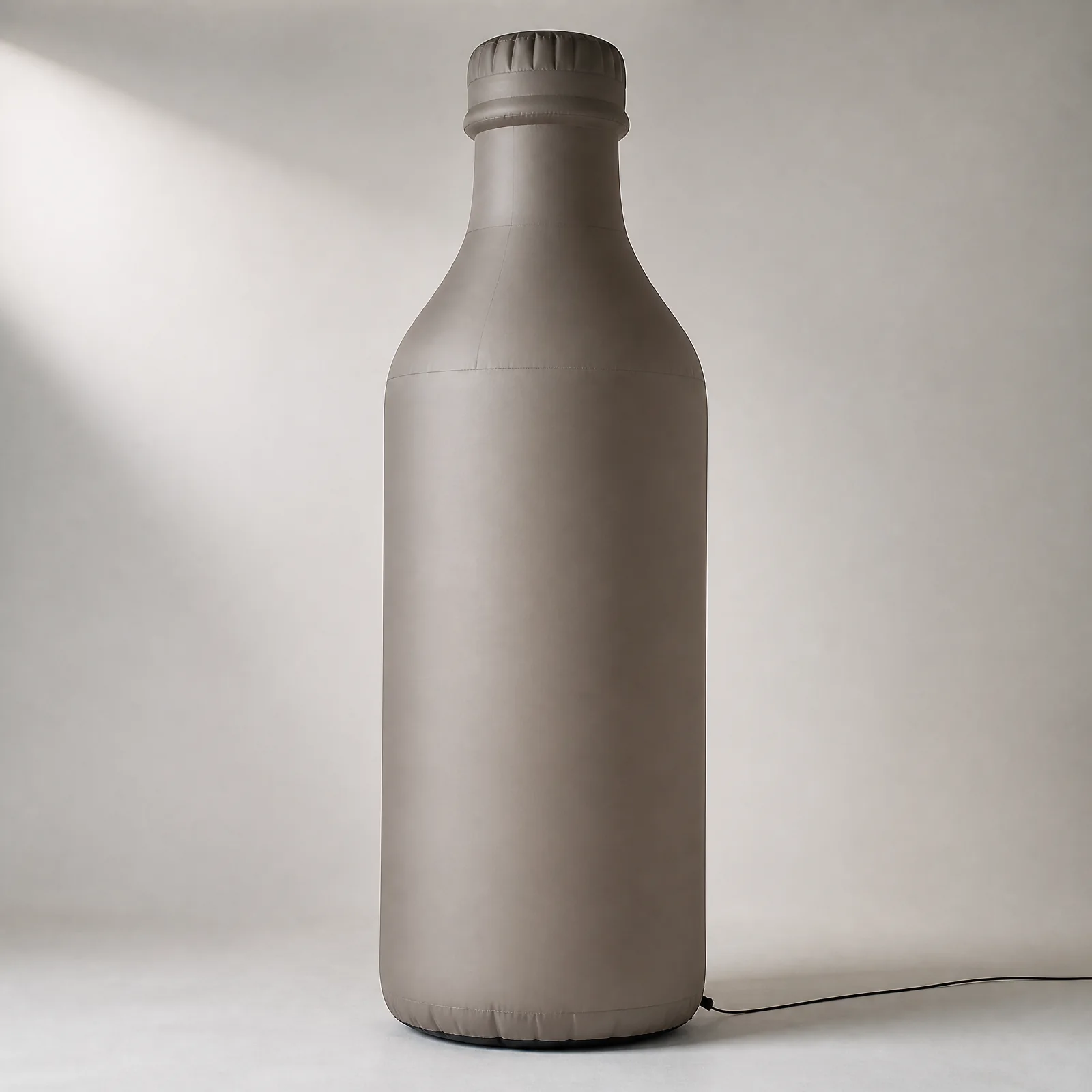
Inflatable Beverage Bottle
beverage launch or retail display
Explore direction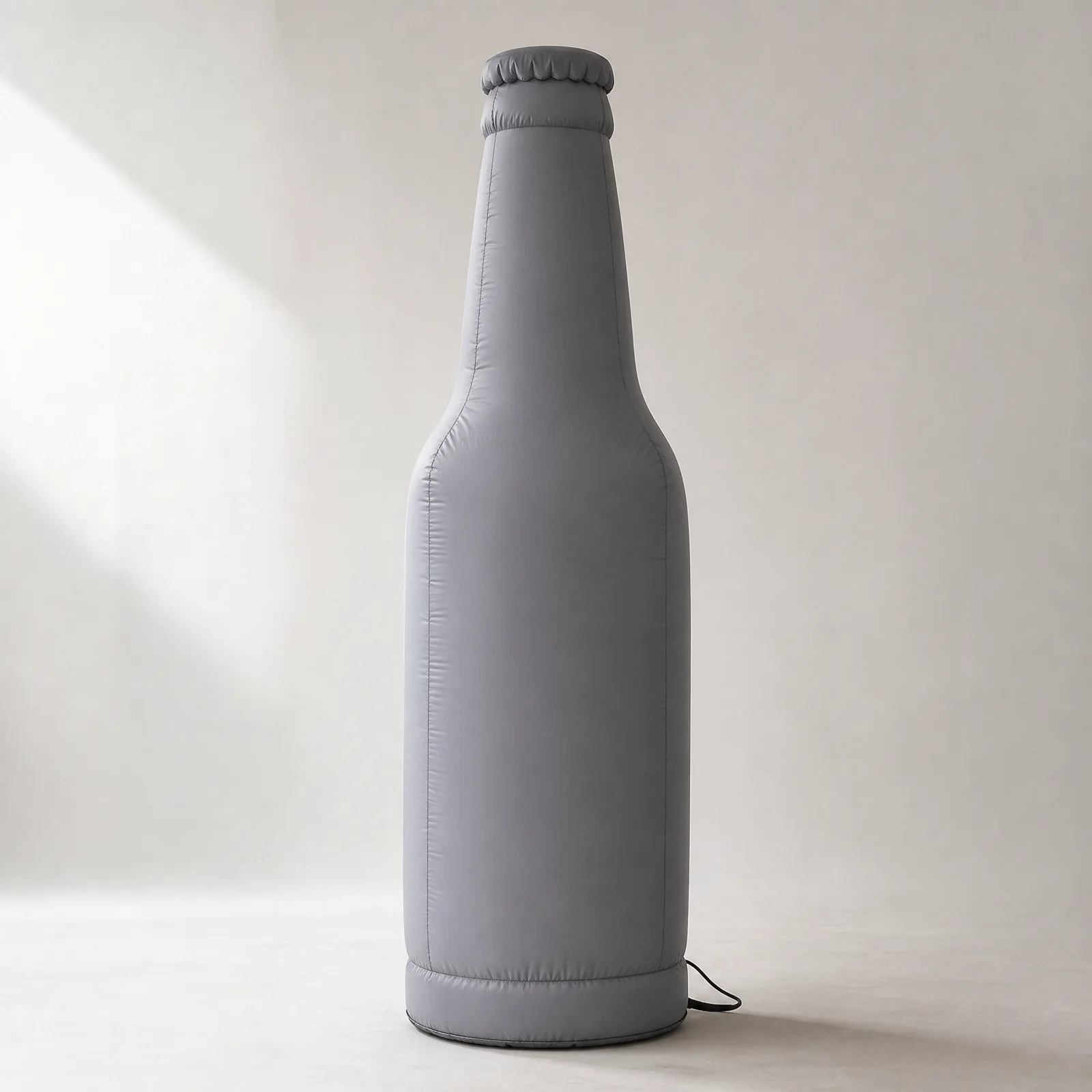
Inflatable Beer Bottle
brewery activation or festival setting
Explore direction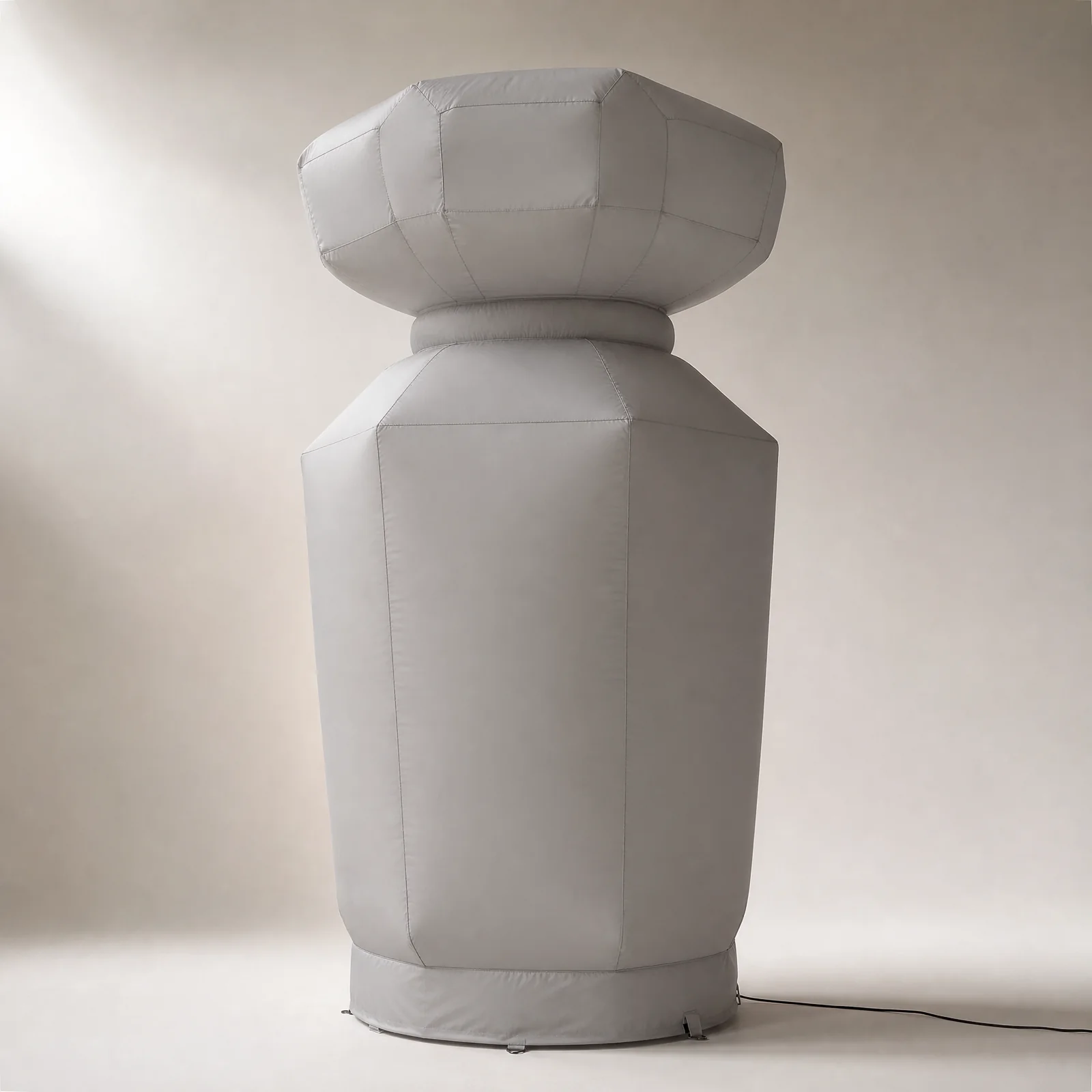
Inflatable Perfume Bottle
beauty launch or premium retail window
Explore direction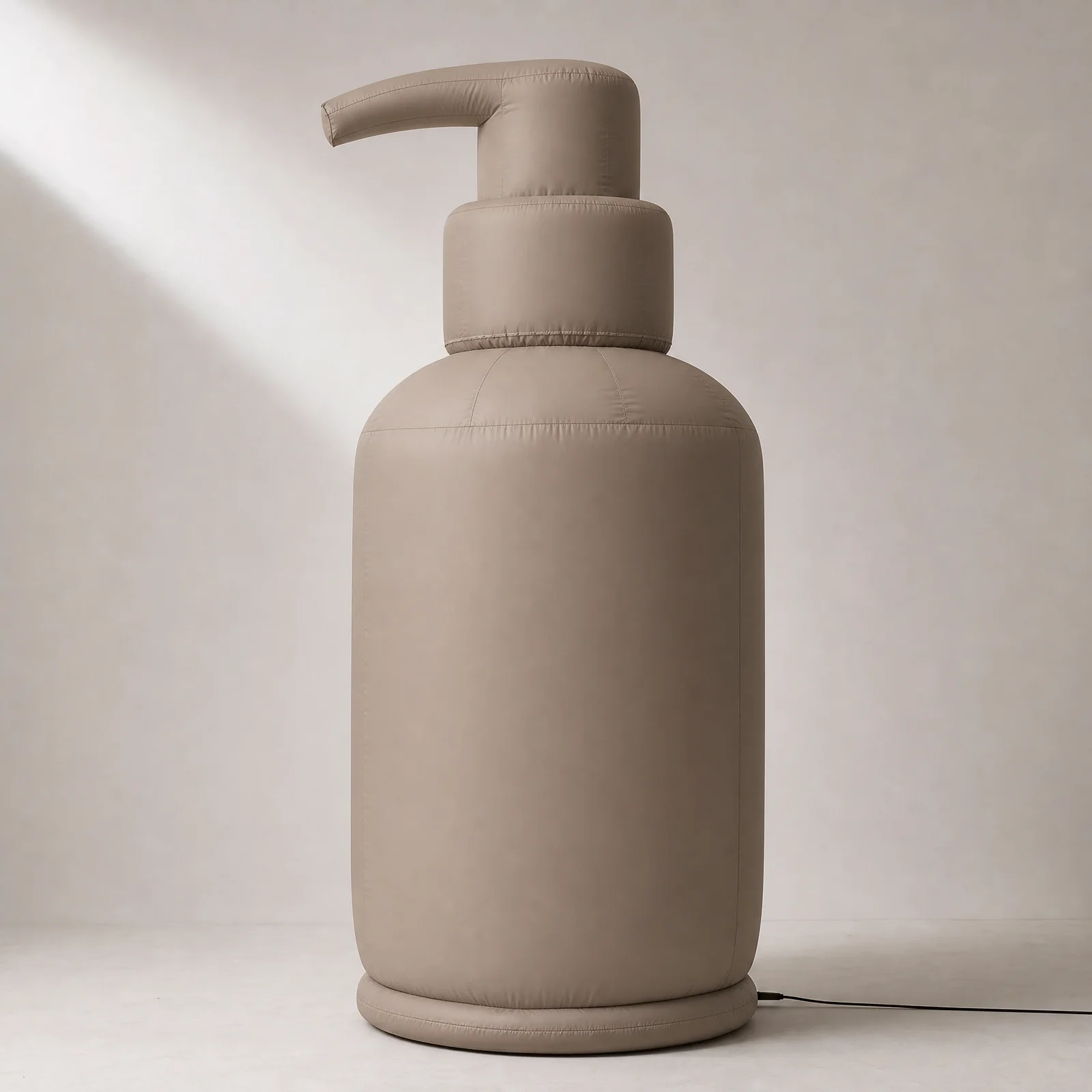
Inflatable Cosmetic Pump Bottle
skincare launch or mall activation
Explore direction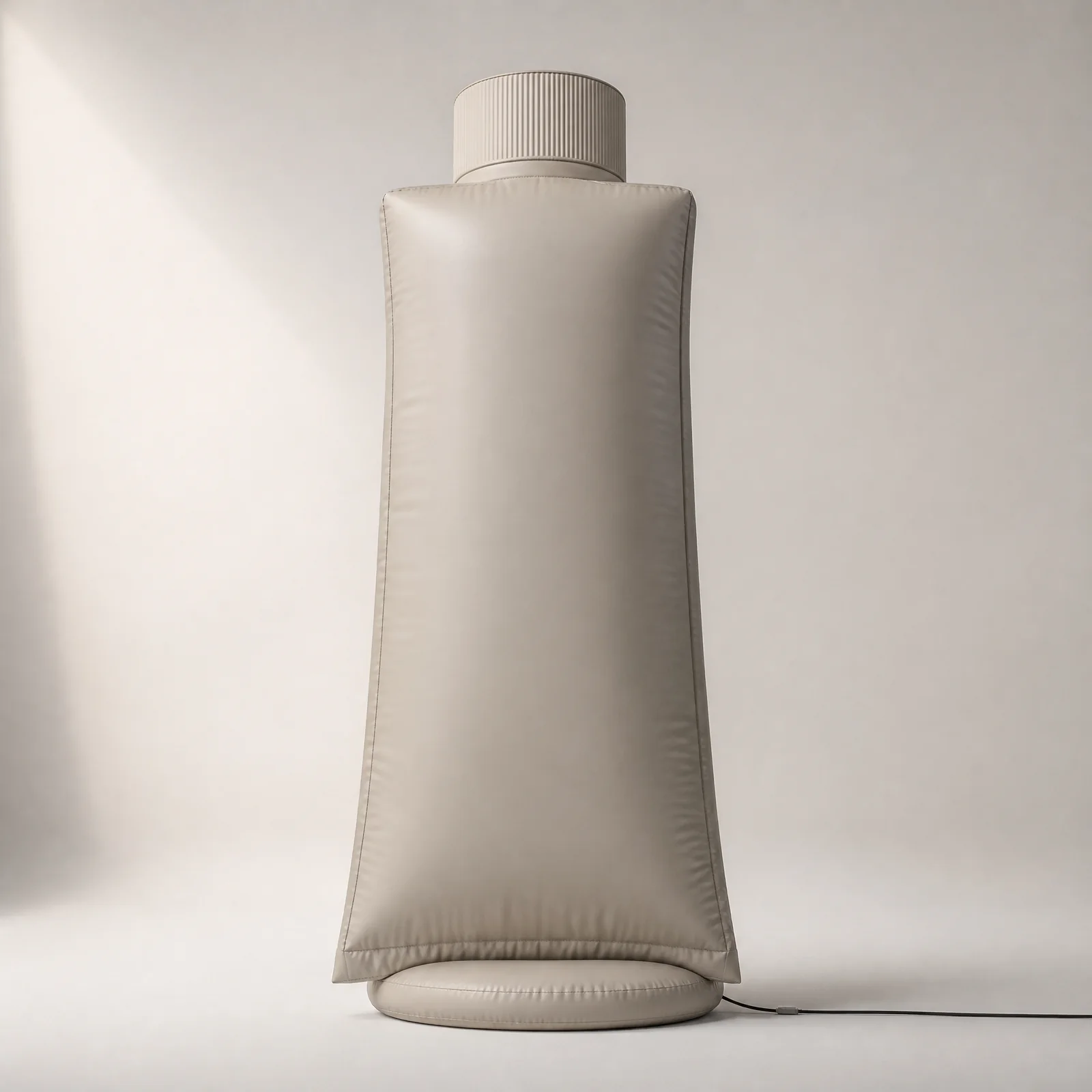
Inflatable Cosmetic Tube
beauty pop-up or point-of-sale feature
Explore direction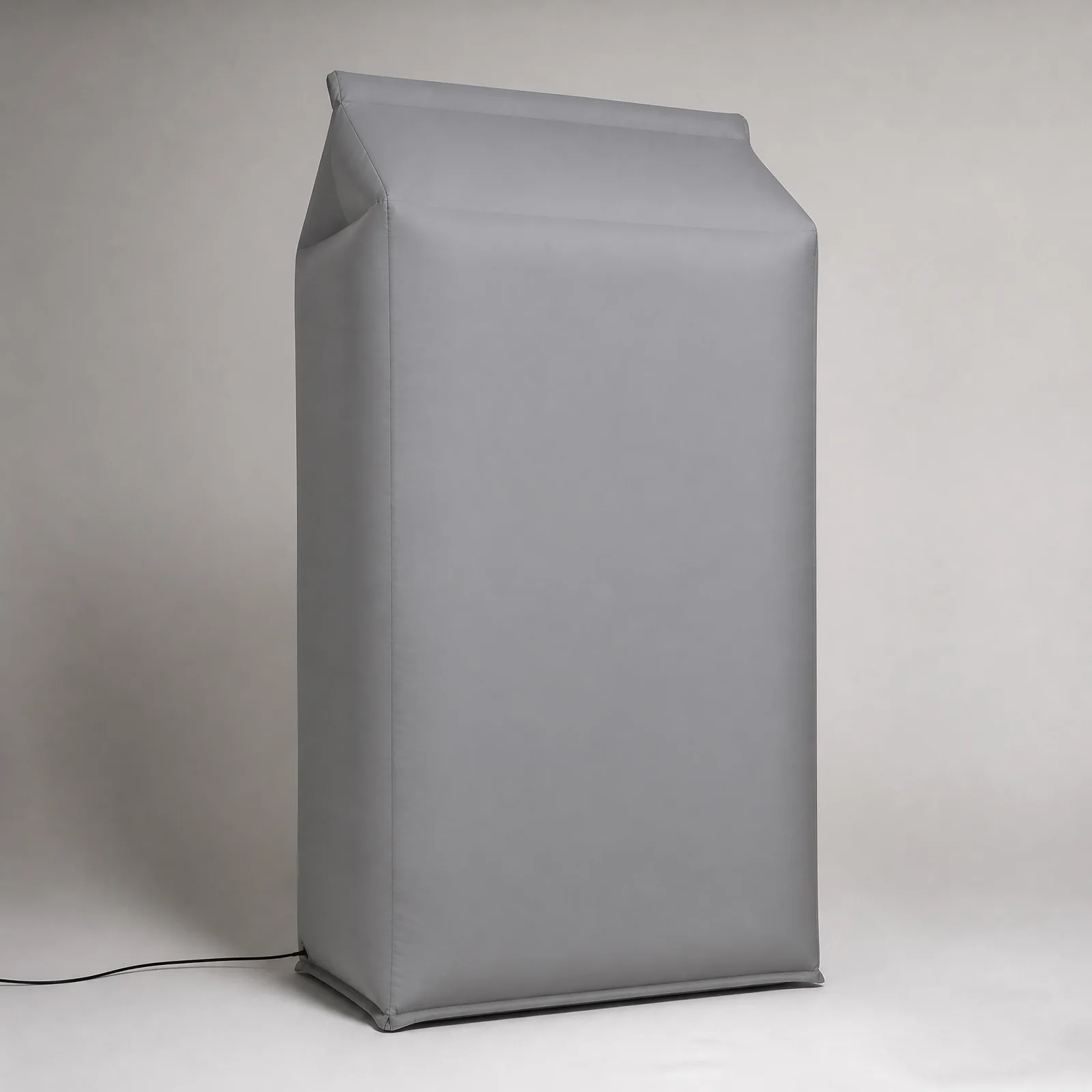
Inflatable Product Carton
packaging-led retail or launch installation
Explore direction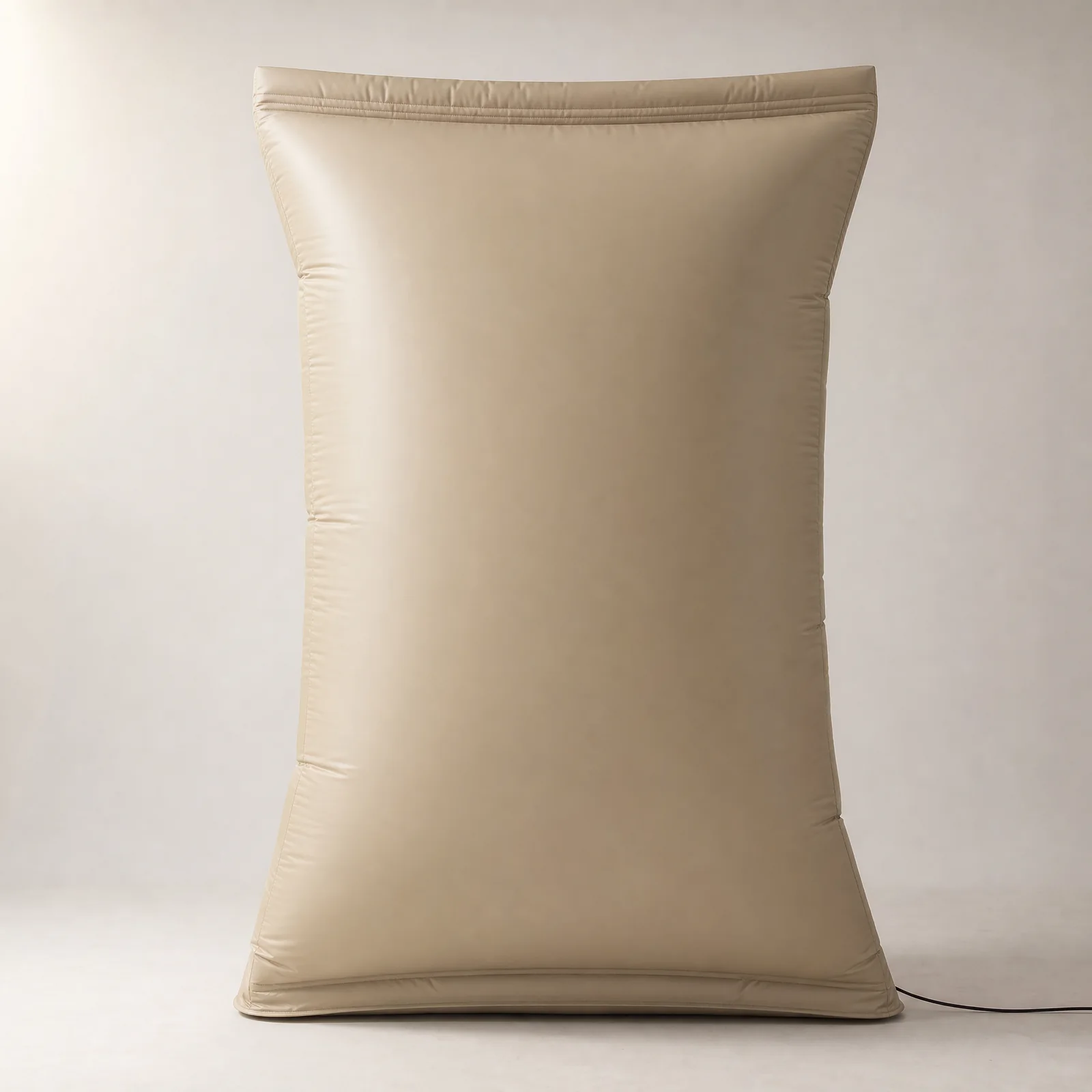
Inflatable Snack Pouch
snack campaign or supermarket photo moment
Explore directionDesign review
What shapes the direction?
- Packaging artwork and the details that must remain recognisable
- Viewing distance, placement and access around the object
- Cap, closure and protruding features that need structural review
Common questions
Before the brief.
Which product replica should anchor the campaign?
Start with the feature that identifies the product at a glance: a bottle silhouette, can label, distinctive cap or packaging outline. Compare that feature from the intended audience and camera positions before selecting a direction. Use the launch brief to define the reveal moment and the retail brief to define customer access.
Can a replica follow our packaging artwork?
Share approved artwork and packaging views. Shape, print registration and dimensional details are reviewed for the proposed scale.
Should the replica be sealed-air or blower-supported?
That decision depends on scale, display duration, access, power availability, handling, audience proximity and the site conditions. Treat it as a project review item rather than a generic material choice.
What packaging references are most useful for review?
Send front, back, side and top views, editable artwork when available, key dimensions, critical colour references, and notes on the details that must remain recognisable from the audience viewpoint.
What should we include in a quote request?
Share the product or packaging reference, approved artwork if available, intended size, quantity, use location, destination and event date. Add site constraints or deployment details when known; open items can be confirmed during project review.
Can it be placed in a retail environment?
The footprint, access, power and venue conditions need to be reviewed for the proposed location.
How does a product-launch brief differ from a retail-display brief?
For giant inflatable product replicas at a launch, identify the reveal sequence, photography angles and packaging details that must be recognisable. For a retail display, prioritise customer circulation, operating hours and the available footprint. Include these differences in the brief so scale, placement and the operating plan can be reviewed for the actual setting.
Choose the replica
Match the packaging feature to the campaign job.
A recognisable product replica starts with the feature people use to identify the pack. Decide what the audience must notice before selecting a shape or requesting a size.
- Bottle-led recognition: When the neck, cap and shoulder distinguish the product, compare the custom inflatable bottle direction. Provide several pack views and identify the label face that should meet the audience.
- Label-led recognition: A custom inflatable can puts wraparound graphics and cylindrical proportions at the centre of the review. Show the artwork join, main label and sampling or exhibition approach.
- Appearance-led recognition: For an inflatable perfume bottle, separate the signature cap and vessel outline from expectations about glass, metallic finishes or sharp facets. Agree which details are represented by shape and which by artwork.
For a product launch, add the reveal sequence and camera views. For retail displays, add store access, customer routes and operating hours. The same packaging reference can lead to different project requirements.
Compare proposals
Put each quotation on the same brief.
Before comparing prices, give every proposal the same approved packaging revision, intended dimensions, quantity, destination and requested event date. Identify open decisions rather than treating a preliminary figure as a complete project scope.
- Design scope: Record the proposed shape, artwork adaptation, review views and revision allowance. Note any simplified cap, handle or projecting feature for brand approval.
- Equipment and handling: Ask which inflation equipment, fixing accessories, packing items and setup information are included, excluded or still to be confirmed. Do not infer them from a concept image.
- Appearance acceptance: Agree the views and evidence used to review silhouette, label position, colour references and visible seams. Specify who approves the appearance and how unresolved differences are recorded before dispatch.
- Delivery boundary: Distinguish dispatch from arrival, and delivery from onsite installation. Record the receiving point and the party responsible for each stage; dates depend on the confirmed scope and approval sequence.
Use the product replica evidence checklist to carry these decisions into the review record.
Project decisions
Agree the review gates before committing the form.
Use these questions to define the project scope and approval record. They are not a fixed delivery package or a promise of technical approval.
- Brief alignment: Which packaging revision, campaign role, quantity, destination and requested dates form the agreed basis? The agency should record open inputs and the client decision maker.
- Form review: Which silhouette, dimensions, viewing angles and simplified details need approval? Ask the production team for the agreed review views; the client or brand approver confirms the intended appearance.
- Artwork confirmation: Which file revision, colour references, seam positions and curved-surface placement are approved? Record the approver and date; changes after approval need a documented scope and schedule review.
- Pre-dispatch and site handoff: Which inspection evidence, equipment information, packing records and setup documents are included? Confirm who accepts them. Visual approval does not approve power, fixing, rigging or the venue operating plan.
Transport and repeat use
Confirm the journey between campaign sites.
- Packing: Ask when packed dimensions, weights, package count, item labels and packing instructions can be confirmed. Identify which equipment and accessories travel with each unit.
- Transport and receipt: Agree the delivery point, included transport stages, receiving contact, unloading arrangements and access windows. For cross-border movements, name the party coordinating customs and local charges; requested arrival dates require project review.
- Installation: The venue and appointed local team should confirm space, access, power, fixing restrictions, crew roles, approvals and setup/removal windows for the actual site.
- Repeat installation: Name the owner of condition checks, cleaning, drying, packing, storage and the next-site review. Record damage or changes before reuse; previous acceptance does not establish suitability for a different venue.
Mark unresolved items with an owner and review date. Agree responsibilities in writing; do not assume transport, onsite work, storage or repeat-use support is included.
Buying guide
Prepare a clearer product replica brief.
Review the brief inputs and evidence to request: dated design decisions, proposed configuration, inspection scope and named site responsibilities.
Review the brief and project evidenceStart a project
Have artwork or a reference?
Share the direction, destination and event context; the form lets you attach your brief.
Discuss Product Replicas