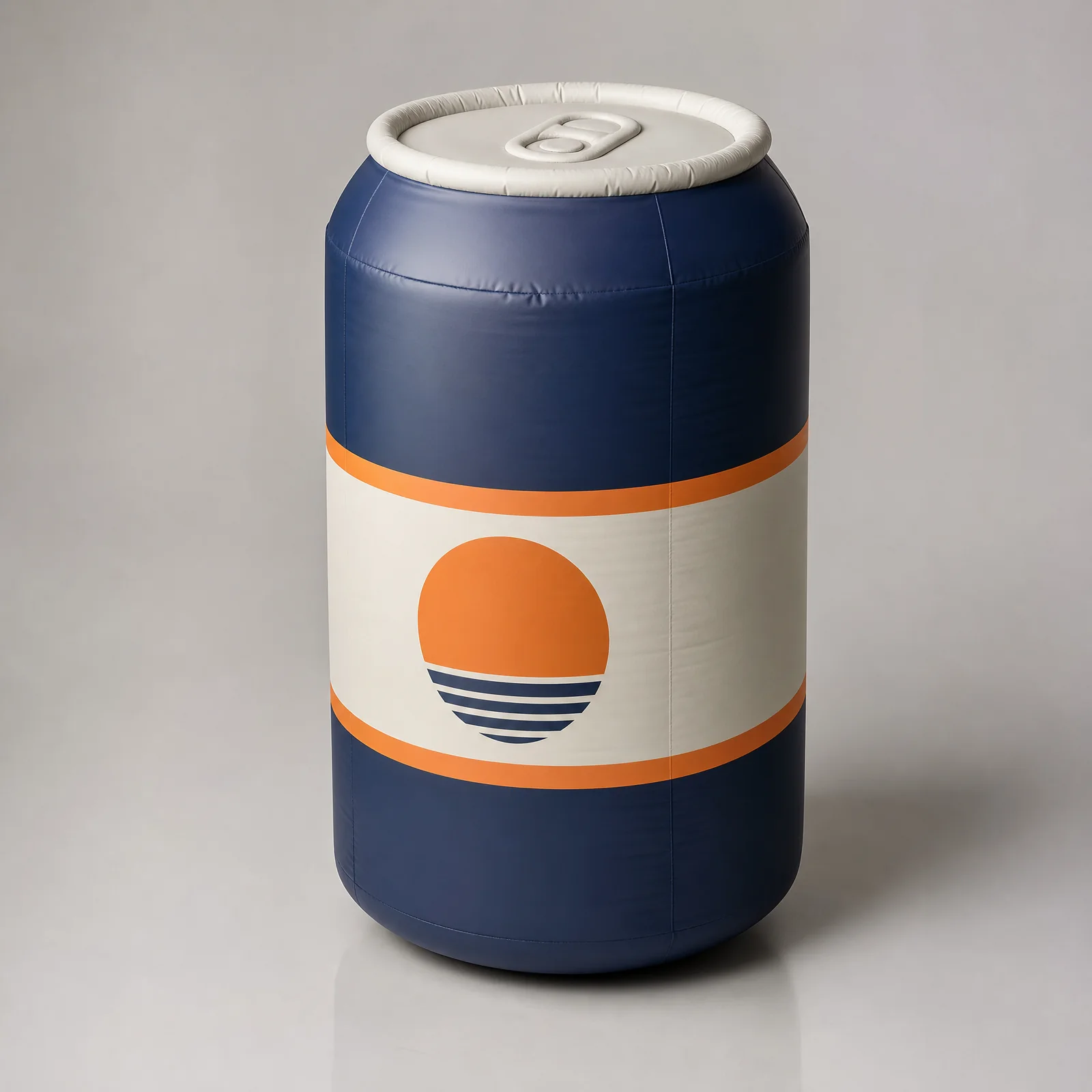
Read the material terms correctly
PVC is a polymer that may be used as a flexible sheet or as a coating on a woven textile. Nylon is a generic name used for a family of polyamide fibres. Oxford describes a woven construction and visual texture rather than one single fibre or performance grade.
A finished inflatable fabric may therefore combine an Oxford construction, a polyester or nylon-family base, and a PVC or other polymer coating. Asking which of the three is “best” without the full construction can produce a misleading answer.
Compare the complete material construction
The table below separates the terms by what they actually describe. It avoids fixed rankings because performance depends on the supplied construction, finish and test data.
Material terminology and selection questions
Swipe or scroll horizontally to review every column.
| Term | What it may describe | What to confirm | Why it matters |
|---|---|---|---|
| PVC | A flexible film or a coating used on a textile substrate | Base textile, coating formulation, finished thickness or mass, surface finish and joining method | Influences surface behavior, cleaning, print compatibility, folding and project handling |
| Nylon | A polyamide fibre family used to make woven textiles | Exact fibre and weave, coating or laminate, finished specification and dimensional behavior | The fibre name alone does not establish weather resistance, stiffness, print result or venue suitability |
| Oxford | A woven fabric construction commonly identified by its basket-like texture | Fibre content, yarn and weave specification, coating, finished mass and surface treatment | Oxford is not automatically heavier, more durable or more suitable without the rest of the specification |
Supplier terminology varies. The quotation and approved material data should identify the actual construction proposed for the project.
Evaluate the dimensions that affect the project
Weight and packed volume affect transport, handling and storage, but they should be read from the finished material and the complete structure rather than inferred from a fibre name. A lighter construction may pack more compactly; it may also require different handling or reinforcement decisions.
Surface finish affects how highlights, seams and artwork read at close range. A smooth coated surface, a visible woven texture and a soft textile hand can each be appropriate when they support the intended form and viewing distance.
Maintenance depends on the coating, print system, contamination risk, cleaning method and storage conditions. Cleaning guidance should come from the confirmed material and artwork process.
Match the specification to the operating context
Indoor, outdoor, suspended, floor-standing, sealed-air and continuously inflated structures create different requirements. The correct discussion includes the structure, expected handling, exposure, audience proximity, installation method and venue documentation—not only the face fabric.
Fire, weather, structural and venue requirements are destination- and project-specific. Do not infer compliance from a generic material name. Confirm which documentation or testing the responsible venue and local professionals require, then review what can be supplied for the selected material.
Use a specification checklist before approval
The material line in a quotation should be detailed enough to connect the creative choice to production and venue review. If an item remains open, record it as an approval point instead of substituting a broad promise.
- Base fibre or substrate and weave construction
- Coating or laminate on each relevant face
- Finished mass, thickness or other supplier specification used for the quotation
- Surface, color and artwork process
- Seam or joining method appropriate to the structure
- Cleaning, folding, packing and storage guidance
- Available material data and project-specific documentation
- Any venue requirement still awaiting local confirmation