Define the Gateway Role Before Selecting the Structure
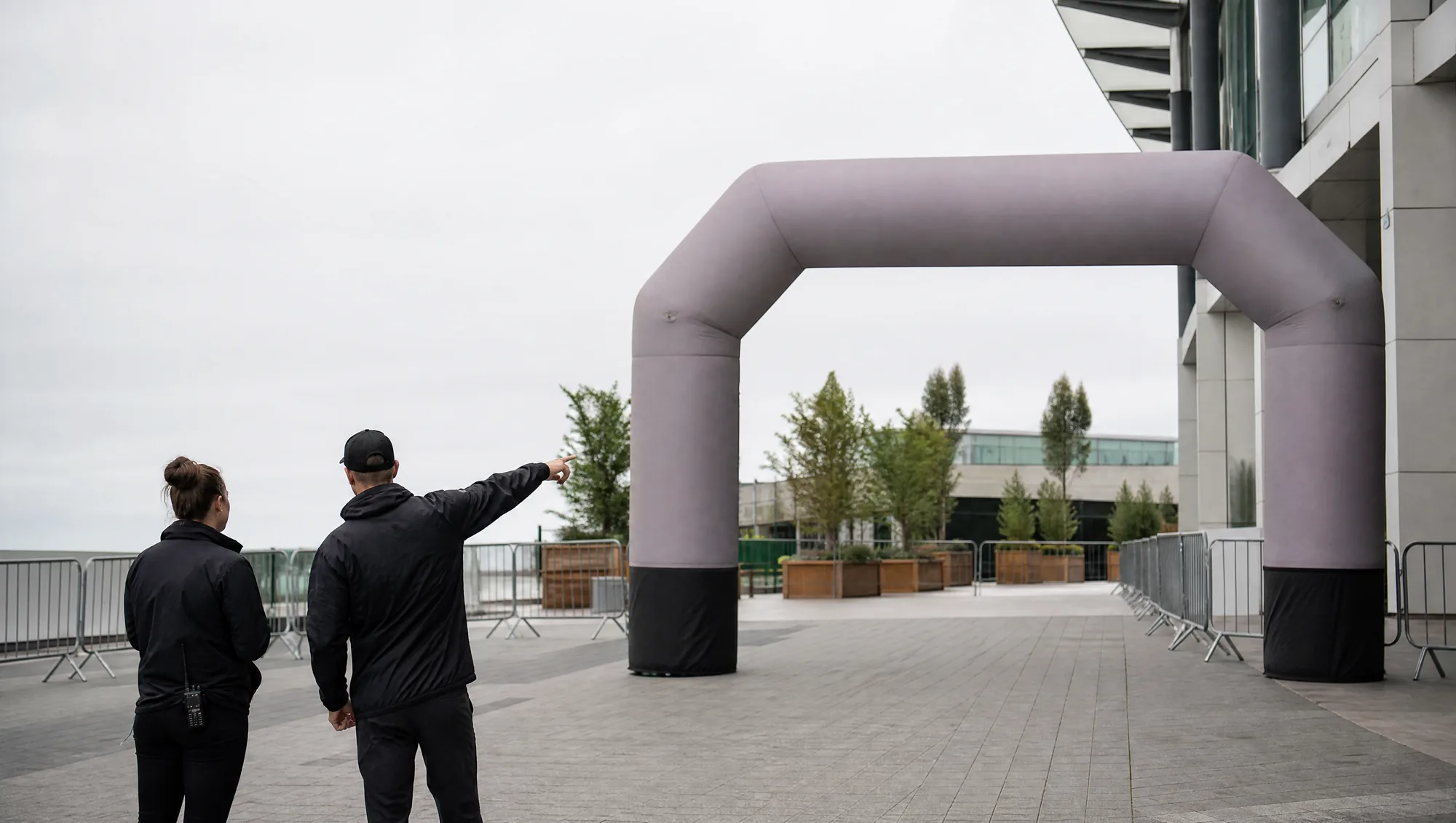
A gateway can mark an arrival, frame a route, create a threshold for photography, or make a campaign legible from a distance. Those roles produce different requirements for height, opening width, viewing angles, and the amount of visual information the form needs to carry.
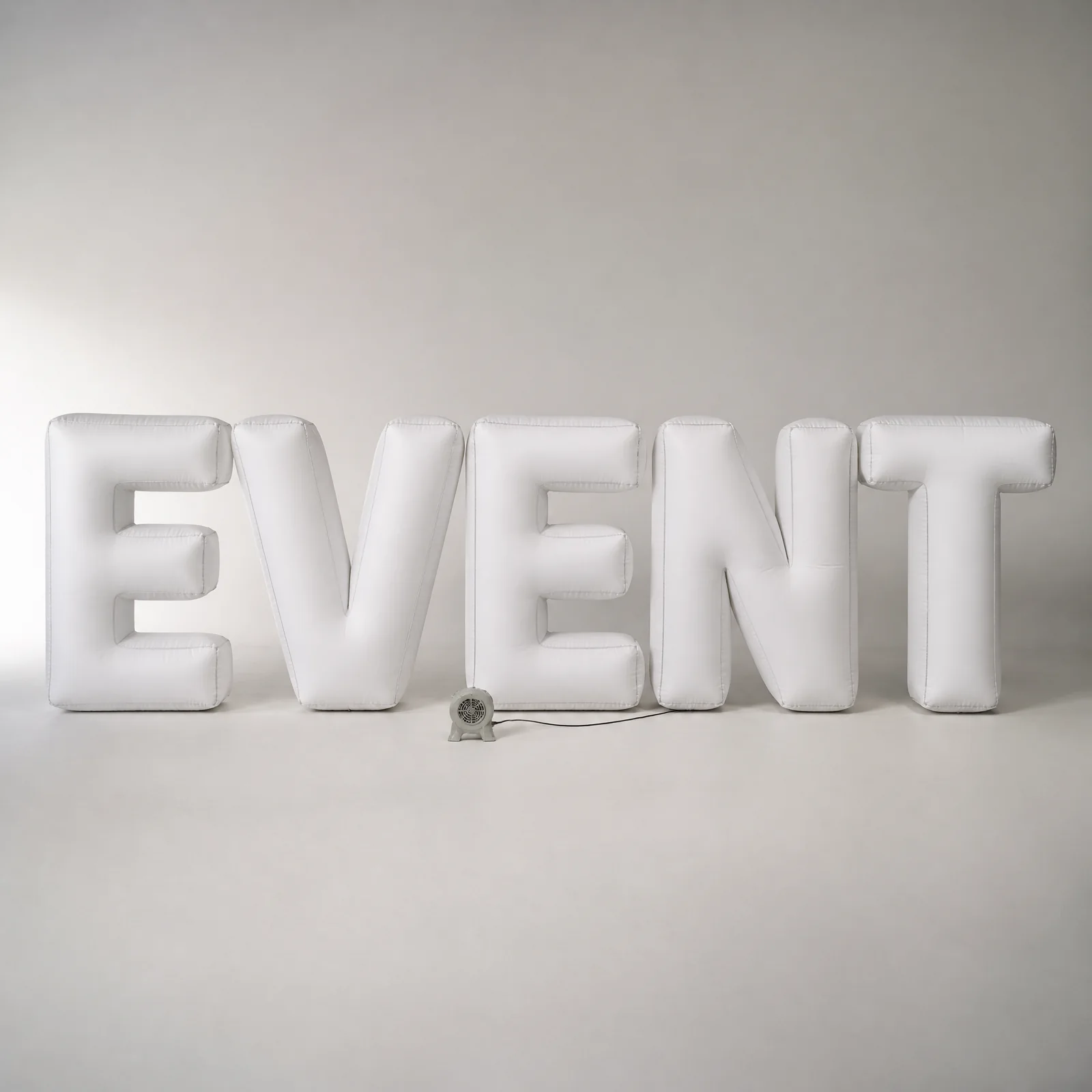
A custom direction becomes more useful when the gateway itself is part of the campaign experience rather than only a wayfinding object. That distinction gives the creative team a clearer basis for deciding whether a purpose-built form is justified.
Read the Approach Route and the Audience Movement
Review where people first see the gateway, how they move toward it, and whether they pass through it, beside it, or around it. The strongest viewing side may not be the side nearest the event entrance, and a route can change the visual hierarchy needed on each face of the form.
The same review should include circulation clearance, queueing, accessibility, nearby structures, and the conditions that affect how the installation reaches its final position.
Treat Artwork as Part of the Volume
Artwork on an archway is read across a curved surface and from changing distances. The message that needs to register first should be identified before secondary detail is placed around bends, seams, or less visible faces.
A site-aware mockup review helps the agency decide which surfaces matter most, what can stay quiet, and where the campaign needs a clean visual pause.
Keep the Installation Review Specific to the Site
The final direction should be reviewed against the actual site information: access route, available footprint, surface conditions, venue rules, surrounding activity, and the project-specific stability approach. These conditions cannot be responsibly replaced with a universal setup rule.
When information is still open, it should be listed as an open project input rather than assumed in the concept stage.