Separate a Utility Need From a Campaign Expression
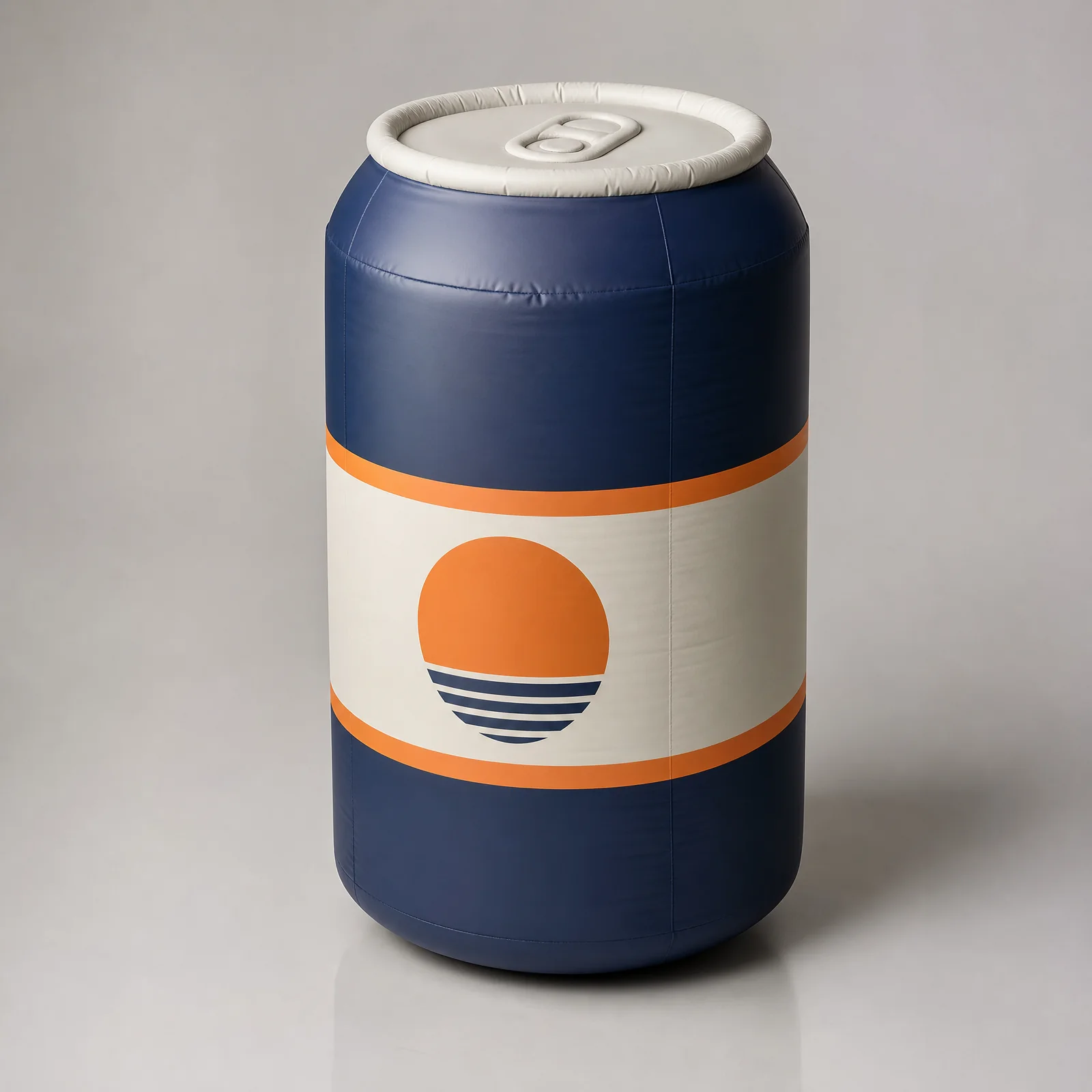
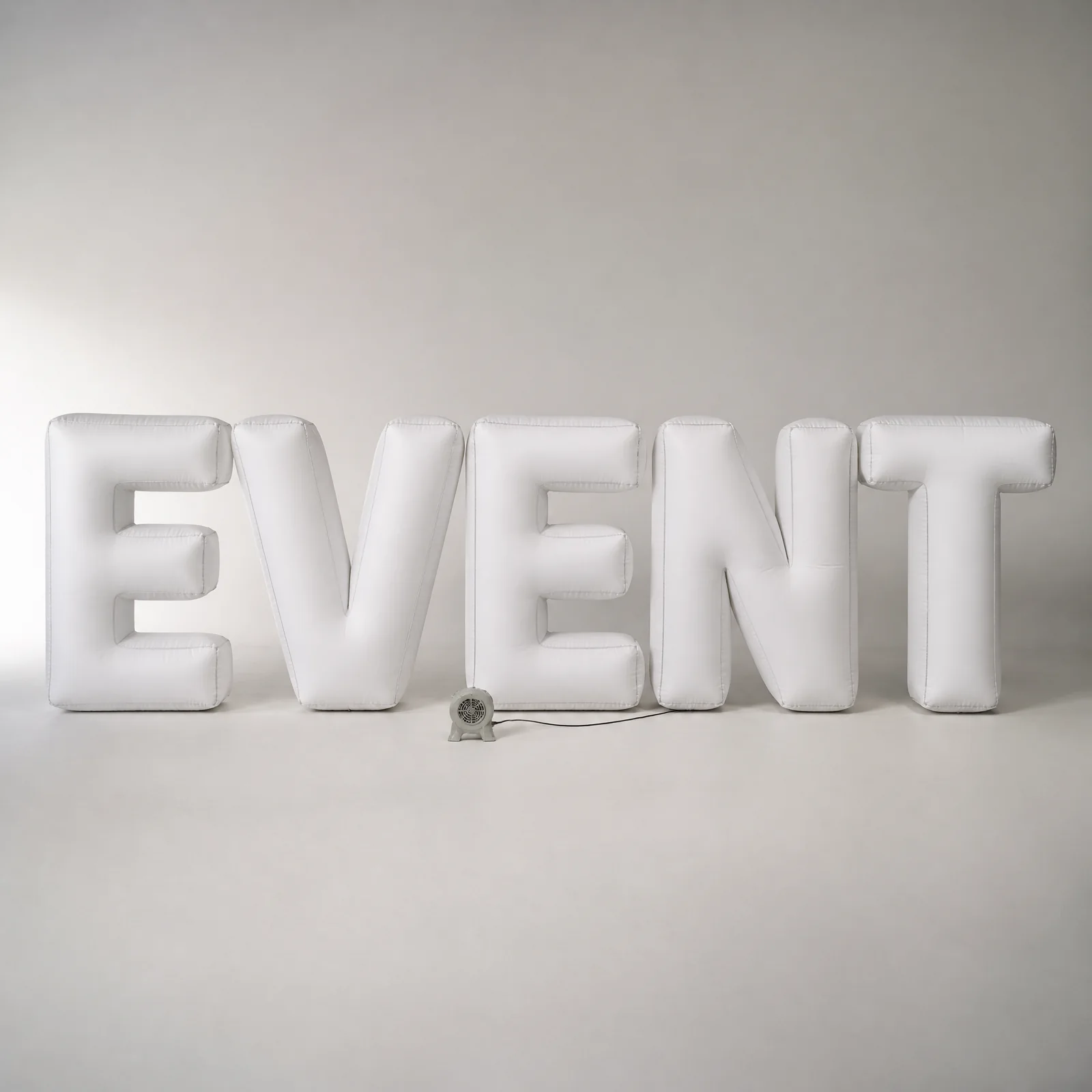
A simple event structure can solve a practical need such as shelter, a basic entry marker, or a temporary boundary. A campaign-led environment has a different job: it must express a particular idea through its silhouette, surfaces, scale, and relationship to the audience.
Naming that difference early prevents a project from being evaluated only against a generic object category.
Evaluate the Form and the Brand Surface Together
When a form needs to be specific to a campaign, the visual surface cannot be decided independently. The creative direction should identify which views matter, what needs to be recognised first, and how curves, seams, and audience distance may shape the final artwork review.
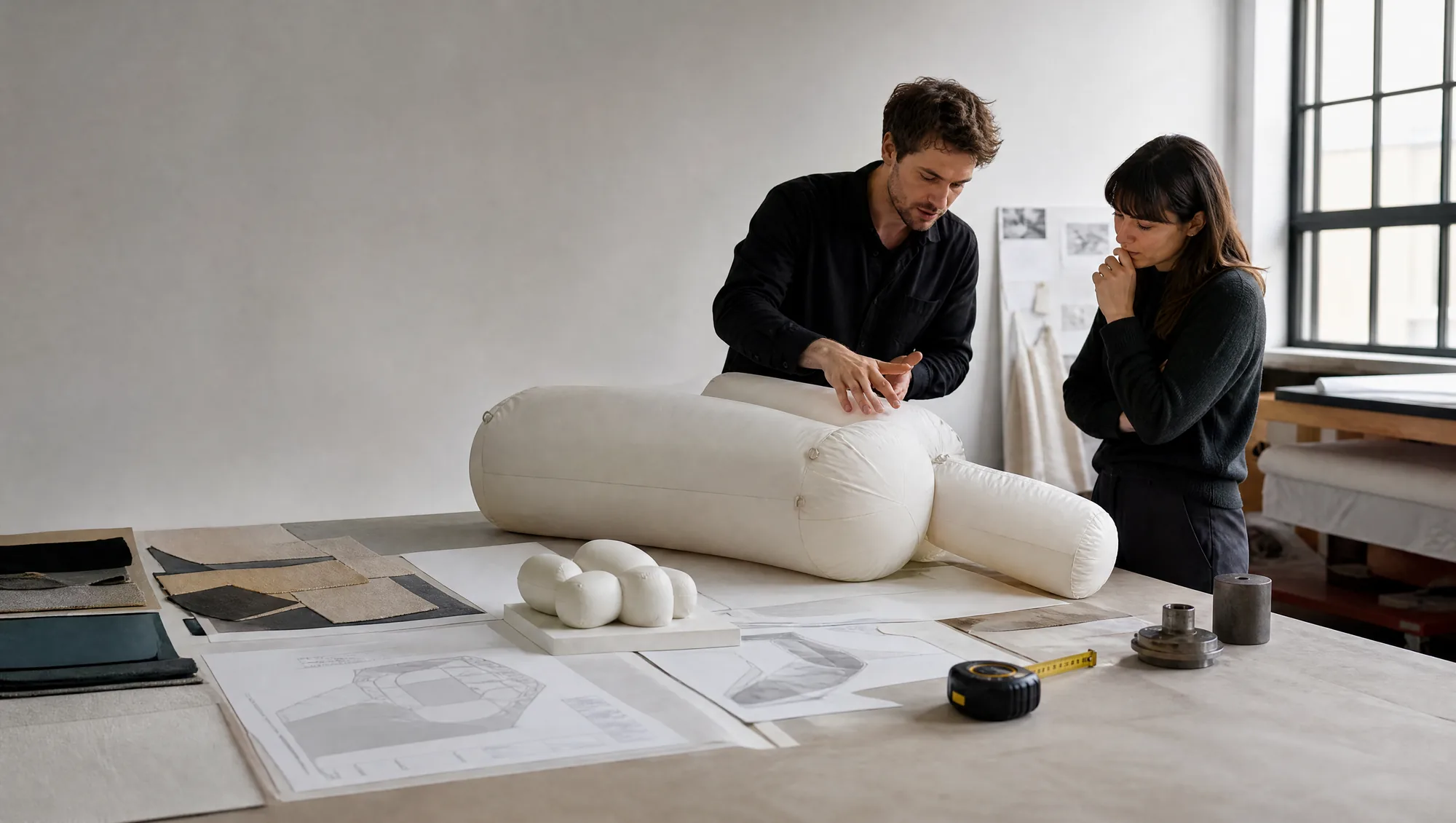
This is where a purpose-built direction has value: not as an abstract claim of uniqueness, but as a way to align the physical form with the intended message.
Keep the Project Context Real
The event date, destination, venue context, access route, audience movement, and installation conditions are part of the decision. They determine which creative directions are ready to review and which still need more information.
A clear brief can state both the ambition and the unknowns without pretending that every physical condition has already been resolved.
Compare the Next Decision, Not a Generic Checklist
Instead of asking which model is universally better, ask what needs to be decided next. Is it the campaign’s hero form, the approach route, the brand-facing side, the required audience interaction, or the site information that is still missing?
That sequence gives agency and brand teams a practical basis for choosing the right level of development for the campaign.