
Send Inquiry

Project Timing

How Early Should an Agency Start a Custom Inflatable Project?

A useful start date is not a universal number. It is the point when the installation can still be reviewed as a project: against the campaign moment, site conditions, artwork direction, approvals, production configuration, and required in-hand date.

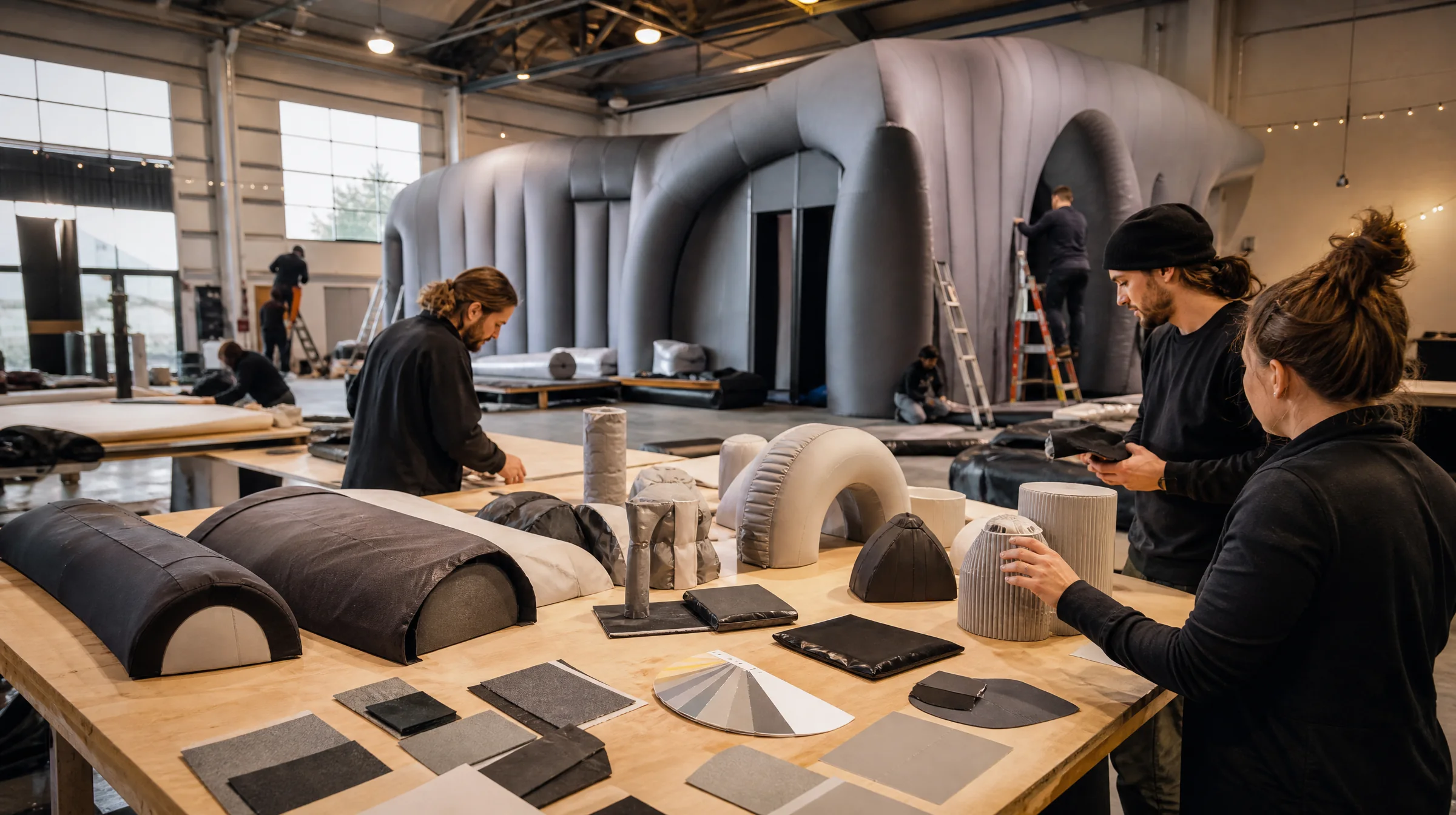
Campaign team reviewing unbranded inflatable form studies for a coordinated installation rollout.Illustrative planning visual

Direct answer

Begin a custom inflatable project as soon as the campaign date, destination, and intended audience experience are known well enough to review. Work backwards from the date the installation must be physically in hand, through delivery, packing, production, technical development, artwork approval, and site review. A project quotation—not a generic website timeline—sets the usable schedule.

Key takeaways

  • Plan from the in-hand date rather than the event opening date.
  • Bring site, artwork, scale, and delivery context into the first review.
  • Keep time for approvals and project-specific technical decisions.
  • Use the schedule in a project quotation as the controlling timeline.
On this page

Start With the Date the Installation Must Be in Hand

The useful milestone is the date the installation needs to be physically available for the team—not simply the public opening time. It needs room for final delivery, site access, unpacking, installation, checks, and a contingency buffer.

Once that date is fixed, the project can be read backwards in the order that affects the actual delivery path. This avoids treating a campaign opening as if it were the only date that matters.

Use the Early Window for Decisions That Change the Project

The earliest stage is where the brief can still absorb site constraints, audience movement, scale, artwork treatment, access, anchoring logic, and operational requirements. These are project decisions, not a generic checklist that can be completed without context.

If any of these inputs are still open, the right next step is a feasibility conversation rather than a promise based on an incomplete direction.

Let the Confirmed Project Schedule Take Priority

A confirmed project schedule reflects the selected structure, approved artwork, production configuration, packed volume, destination, and delivery method. Those conditions cannot be inferred reliably from a broad campaign category.

For that reason, timing published for planning should be treated as context only. The schedule in the project quotation is the decision document for the work.

Project consultation

Discuss the brief before the format is fixed.

Send the current design direction, intended dimensions, installation location, and event or launch date. The form accepts early references as well as developed artwork.

Discuss Your Project

Product directions to consider

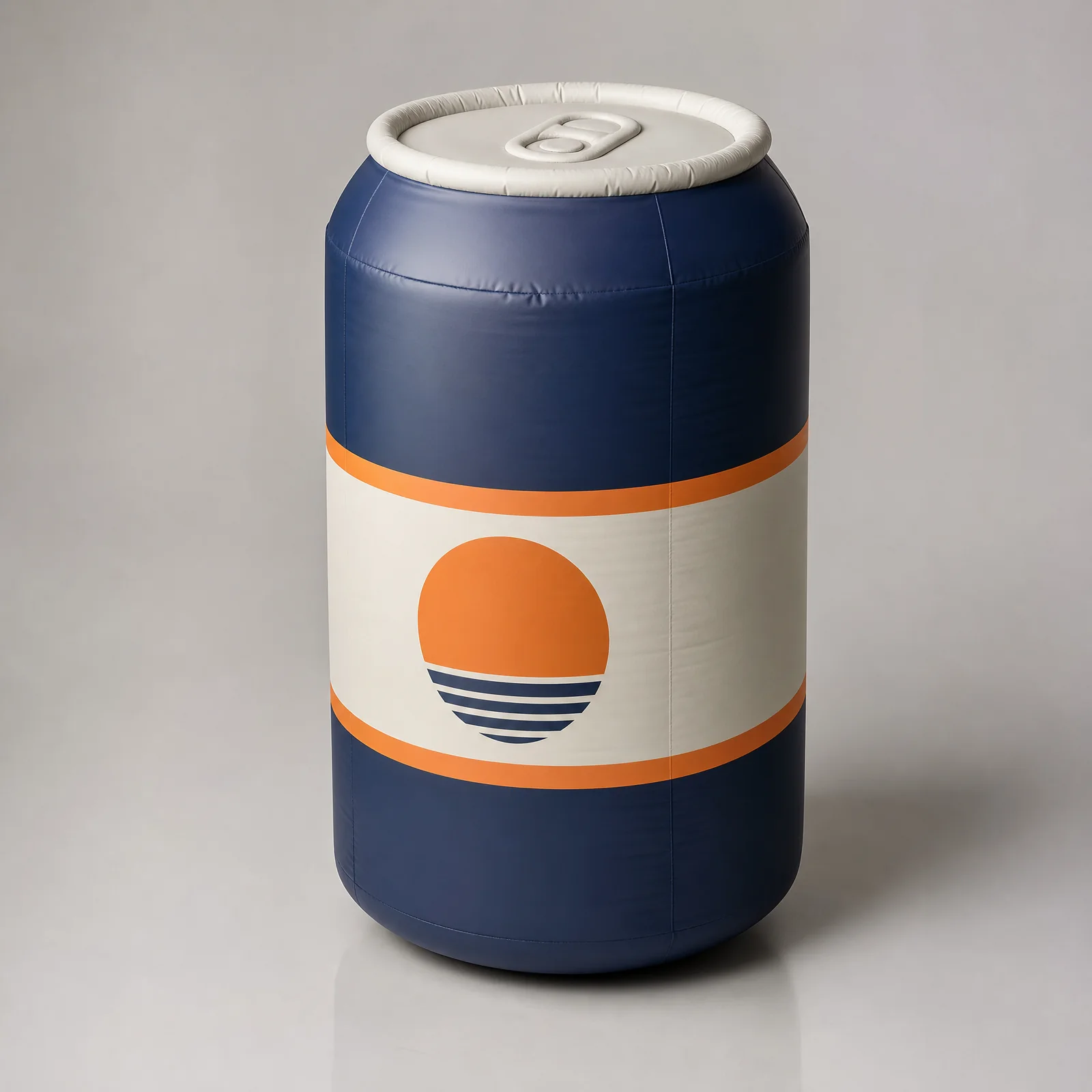
These are conceptual design references, not evidence of local sales or completed projects. The fit depends on the brief and site.

Browse all product directions
