Send Inquiry

Australian Delivery Planning

Customs and Delivery Timing for Australian Event Installations

For Australian brand teams, the "delivery date" of a custom inflatable is the culmination of a precise multi-stage lifecycle. The timeline comprises design review, technical sampling, production, quality control, international transit, and customs clearance.

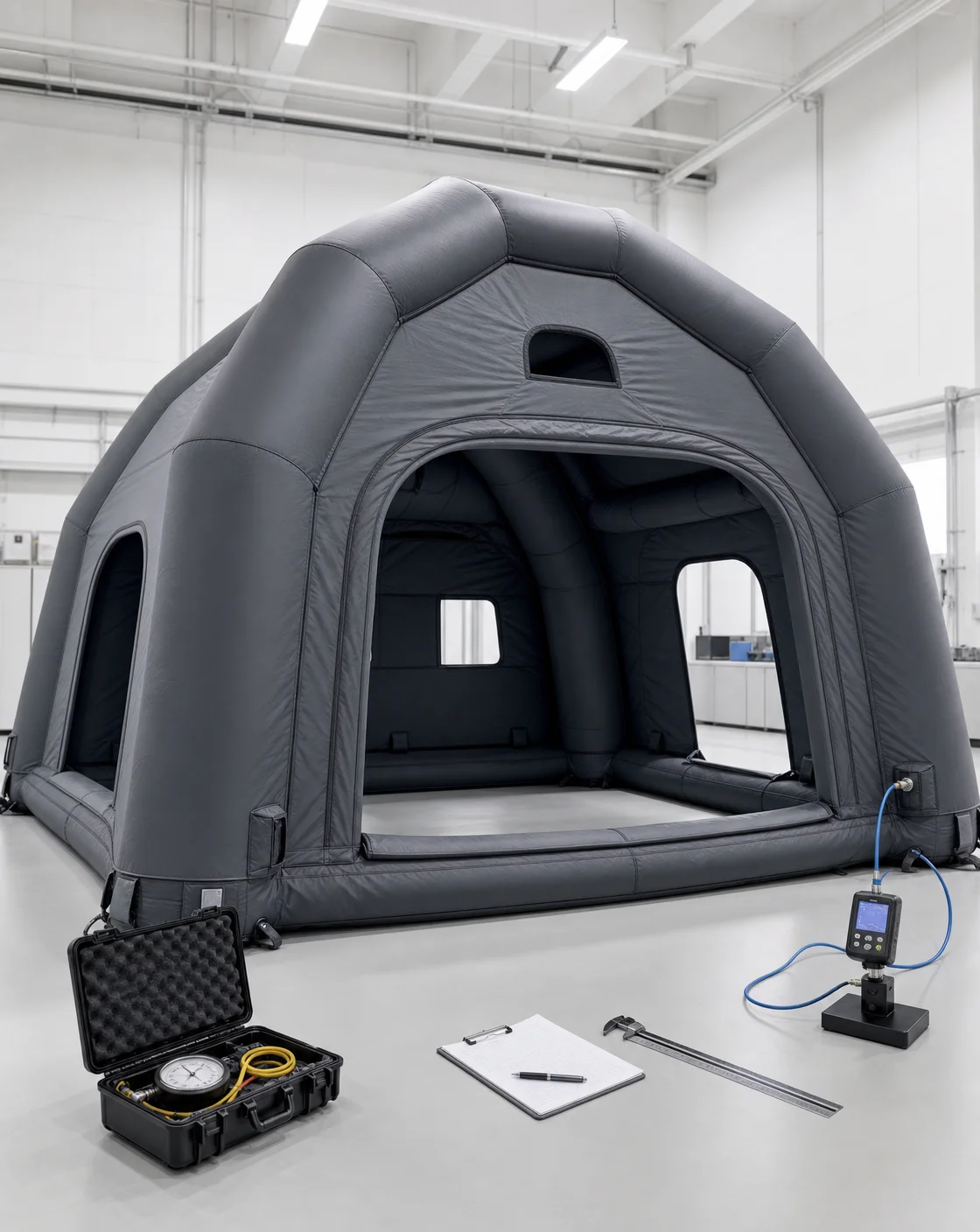
Illustrative planning visual of a quality-control bay where a custom inflatable structure is inspected before international transit.Illustrative planning visual

Direct answer

For Australian brand teams, the "delivery date" of a custom inflatable is the culmination of a precise multi-stage lifecycle. The timeline comprises design review, technical sampling, production, quality control, international transit, and customs clearance. Because Australia maintains rigorous biosecurity and import standards, successful delivery relies on aligning the project’s creative milestones with the logistical realities of the Pacific gateway.

Key takeaways

  • Documentation is Critical: Ensure your broker has all necessary commercial and technical files ready for biosecurity review.
  • Factor in the Gateway: Customs clearance time is a distinct variable from transit time.
  • Collaborative Timeline: Work with our team to align your event date with the production and logistics cycle.
On this page

The Import Journey to Australia

Shipping to Australia involves crossing significant global transit lanes. Whether landing in Sydney, Melbourne, or Perth, the process is governed by the Australian Border Force and biosecurity protocols. We coordinate the logistics path to ensure that all necessary documentation is available for the importer and their customs broker.

Project Lifecycle Components

1. Technical Foundation: Finalizing design specifications and material selections.

2. Production & QC: Fabrication followed by comprehensive inflation testing and quality checks.

3. Transit Window: International freight to the selected Australian port or airport.

4. Local Clearance: Processing through Australian customs and biosecurity.

Note: The importer of record and their designated customs broker are responsible for final declarations. InflatPro does not provide fixed "week-based" delivery commitments; timelines are project-specific and subject to logistics and customs variables.

Strategic Planning: The "Move-In" Window

To ensure a stress-free deployment, project lead times should account for the entire import journey. We recommend starting the technical review well in advance of the venue’s move-in window to provide a buffer for customs processing and final domestic transport.


Frequently asked questions

Questions to resolve before specification.

What makes up the delivery timeline for an Australian project?

The timeline runs from design review and technical sampling through production, quality control, international transit, and customs clearance. Each stage is confirmed per project rather than as a fixed week-based promise.

Who is responsible for the final import declaration?

The importer of record and its designated customs broker are responsible for final declarations and documentation. InflatPro can align the project information needed for that review.

Why should the technical review start before the venue move-in window?

Starting early leaves a buffer for customs processing and final domestic transport, so the installation arrives ready for the venue move-in window without compressing the production and logistics cycle.

Project consultation

Discuss the brief before the format is fixed.

Send the current design direction, intended dimensions, installation location, and event or launch date. The form accepts early references as well as developed artwork.

Discuss Your Project

Product directions to consider

These are conceptual design references, not evidence of local sales or completed projects. The fit depends on the brief and site.

Browse all product directions