
Send Inquiry

Canadian Venue Planning

Planning Inflatable Installations Across Canada's Mixed Venues

For Canadian experiential agencies and marketing teams, the challenge of large-scale inflatable planning lies in Canada’s vast geography and diverse venue typologies. From the soaring indoor arenas of Toronto to the seasonal outdoor festivals of Vancouver and Calgary, success depends on a "venue-first" approach.

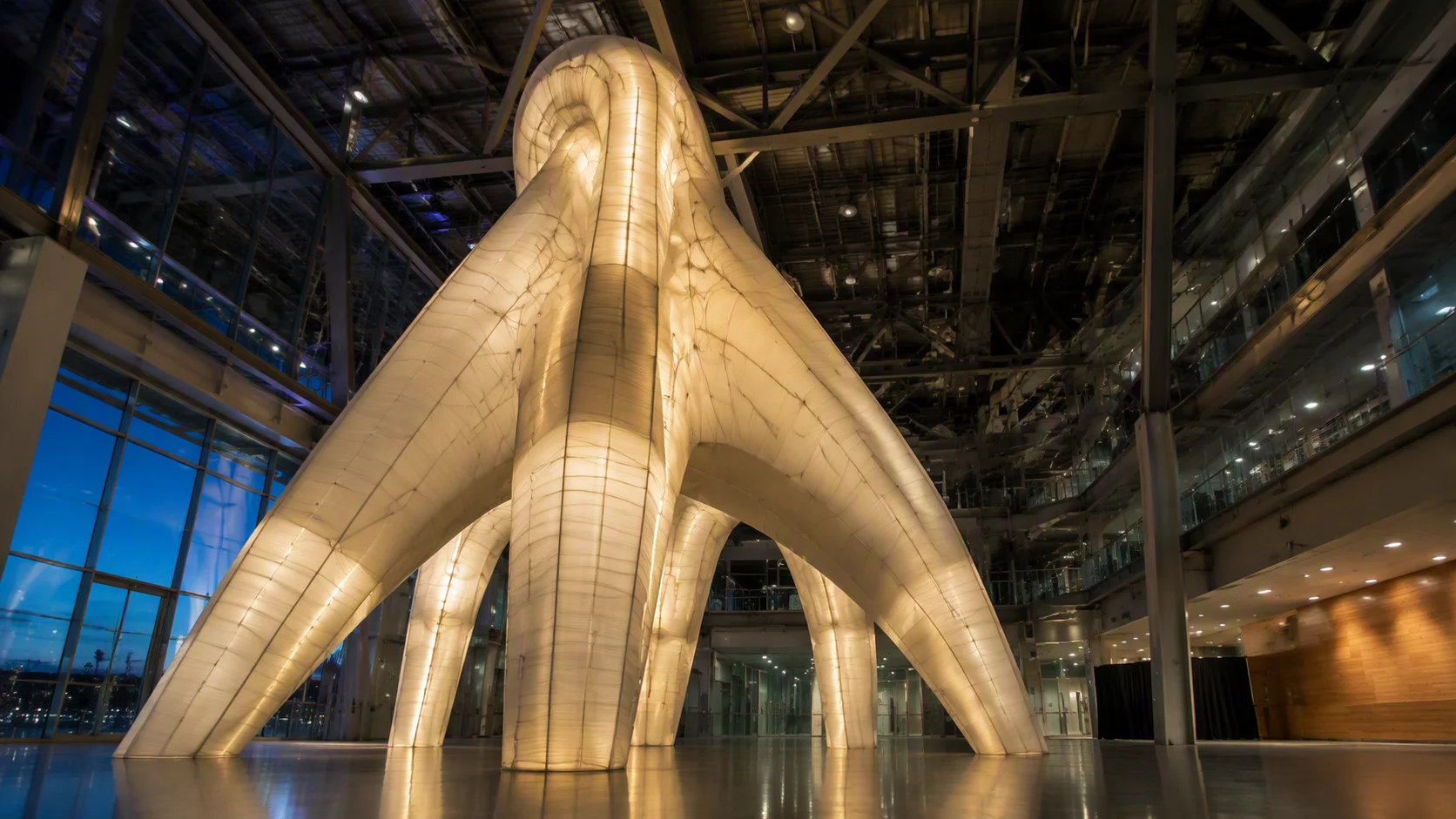
Illustrative planning visual of an indoor brand installation within a modern Canadian exhibition hall using vertical space.Illustrative planning visual

Direct answer

For Canadian experiential agencies and marketing teams, the challenge of large-scale inflatable planning lies in Canada’s vast geography and diverse venue typologies. From the soaring indoor arenas of Toronto to the seasonal outdoor festivals of Vancouver and Calgary, success depends on a "venue-first" approach. Planning is not about the feasibility of shipping to Canada; it is about how an inflatable form performs within the specific behavioral and technical constraints of a Canadian site.

Key takeaways

  • Venue-Centric Design: Tailor the inflatable’s dimensions to the specific indoor or outdoor constraints of the site.
  • Seasonal Strategy: Align your material and deployment plan with Canada’s winter/summer operational shifts.
  • Collaborative Planning: Engage early with venue operators to confirm infrastructure and safety prerequisites.
On this page

Navigating Canada’s Regional Hubs

  • Toronto and Montreal: Focus on high-visibility urban activations, large-scale indoor venues like exhibition centers and arenas, and Toronto events such as the Toronto International Film Festival (TIFF).
  • Vancouver and Calgary: Planning for seasonal outdoor events like the Calgary Stampede requires a balance between iconic scale and rugged site conditions.

Indoor vs. Outdoor Coordination

Canada’s climate makes indoor and outdoor coordination a core planning input. Indoor venues bring ceiling heights, fire-safety documentation, and floor-level access into the review, while open festival spaces add wind loads and ground conditions. The specific venue and event window determine which set of requirements applies.

Technical and Regulatory Framework

Every Canadian project must align with venue-specific safety standards.

Note: Final technical approvals and safety compliance are subject to the specific requirements of the venue management and local qualified professionals.

  • Fire Safety: Verification of material fire retardancy is a standard requirement for all indoor deployments.
  • Site Infrastructure: Confirming power access for continuous inflation and anchoring points is essential during the pre-design phase.

Frequently asked questions

Questions to resolve before specification.

How do mixed venues change Canadian planning?

Canada combines wide geography with arena, retail, festival, and public-space venues. The review focuses on how a form behaves in a specific venue rather than whether it can be transported into the country.

What should the first review bring together?

Destination, venue type, indoor or outdoor context, event window, access, and audience movement should be read together so the concept stays legible as it becomes physical.

Who confirms the final venue requirements?

The venue operator and qualified local professionals confirm the final access, power, and safety requirements for the individual site.

Project consultation

Discuss the brief before the format is fixed.

Send the current design direction, intended dimensions, installation location, and event or launch date. The form accepts early references as well as developed artwork.

Discuss Your Project

Product directions to consider

These are conceptual design references, not evidence of local sales or completed projects. The fit depends on the brief and site.

Browse all product directions
