Send Inquiry

Australian Festival Planning

Planning Outdoor Inflatable Environments for Australian Festivals

For Australian event agencies and creative directors, outdoor inflatable environments offer a unique solution for transforming open-air sites into immersive brand landmarks. Success in the Australian market—home to iconic festivals in Sydney, Melbourne, and Brisbane—requires a shift from viewing inflatables as "products" to treating them as "dynamic site architecture." Planning must account for high-brightness daylight, rapid crowd movement, and the specific environmental demands of the Australian summer.

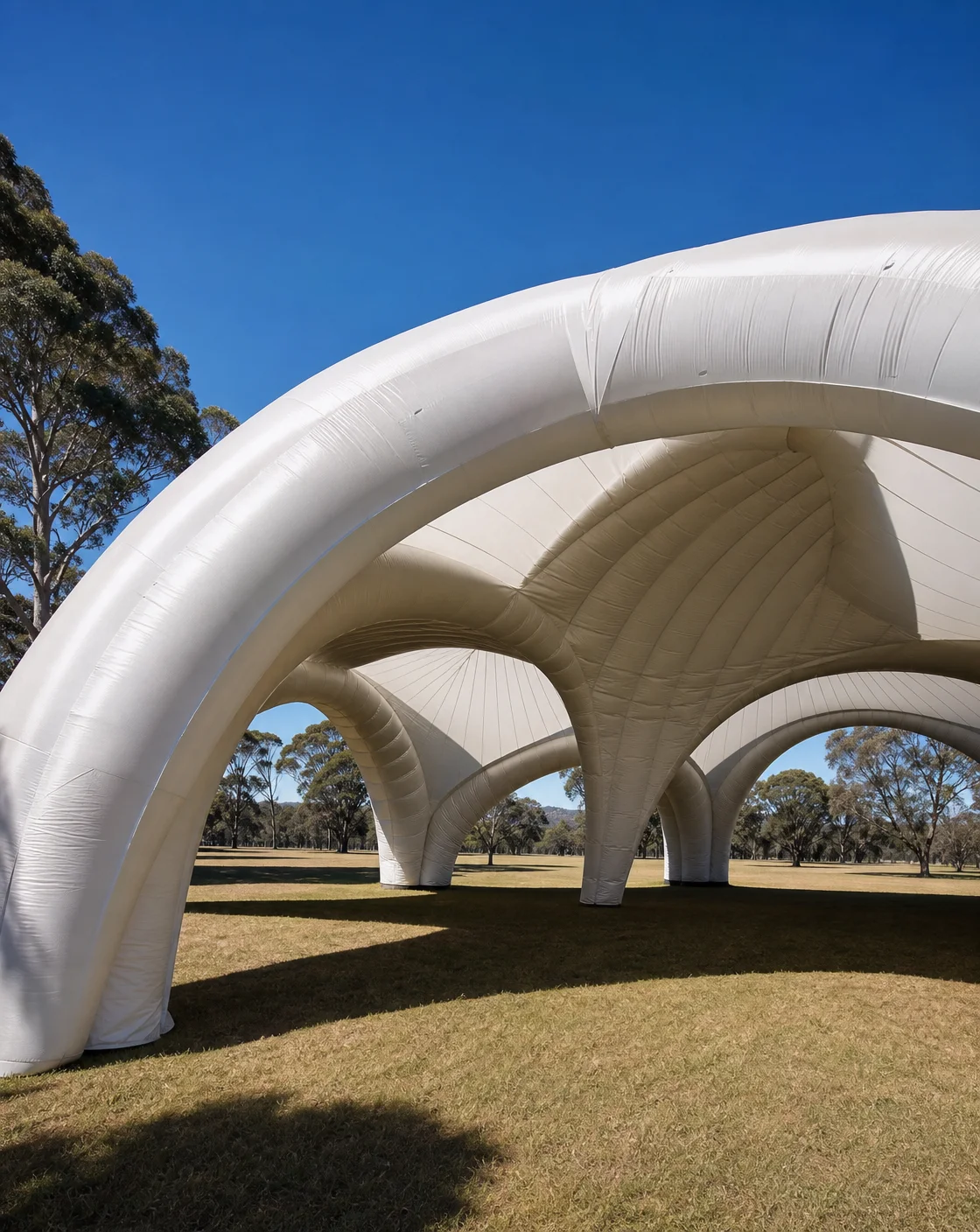
Illustrative planning visual of an inflatable architectural pavilion providing shaded engagement space at an Australian festival.Illustrative planning visual

Direct answer

For Australian event agencies and creative directors, outdoor inflatable environments offer a unique solution for transforming open-air sites into immersive brand landmarks. Success in the Australian market—home to iconic festivals in Sydney, Melbourne, and Brisbane—requires a shift from viewing inflatables as "products" to treating them as "dynamic site architecture." Planning must account for high-brightness daylight, rapid crowd movement, and the specific environmental demands of the Australian summer.

Key takeaways

  • Design for Daylight: Prioritize high-contrast forms and colors that perform under the Australian sun.
  • Environmental Planning: Address UV and heat factors early in the material specification phase.
  • Site-Specific Engineering: Coordinate anchoring and wind safety with local venue experts.
On this page

Adapting to the Australian Event Calendar

Australia’s event calendar spans multiple seasons rather than one uniform summer block. Planning must distinguish winter light festivals such as Vivid Sydney (held in late autumn and early winter in Sydney) from summer outdoor festivals and major sporting events such as the Australian Open in Melbourne, where installations face high UV, heat, and coastal wind. Each season brings a different set of site conditions, so the calendar is read per event rather than as a single peak.

Visual Impact and Site Legibility

In the bright, open spaces of Australian festival sites, visual contrast is essential. We design for legibility in natural light, ensuring that sculptural forms and brand elements remain striking under the midday sun. The goal is to create a "readable" environment that guides spectator flow and provides a high-quality backdrop for social engagement.

Technical Resilience: Heat, UV, and Wind

Australian outdoor activations face some of the world's most demanding environmental conditions.

Note: All environmental resilience and anchoring strategies are reviewed on a project-by-project basis and must be confirmed by the site operator and qualified local professionals.

  • Material Durability: Material selection is based on the specific site brief to address UV exposure and thermal expansion.
  • Wind and Anchoring: Site-specific planning is required to ensure stability in coastal or open-plain festival grounds.

Frequently asked questions

Questions to resolve before specification.

How is visual legibility handled in bright Australian festival sites?

The review prioritises contrast and form that read clearly in natural light and from camera distance, so the installation stays legible under strong midday sun while guiding audience flow.

What environmental conditions are reviewed for Australian outdoor builds?

Expected UV, heat, wind, rain, and coastal conditions are read against the actual site brief. Material and deployment decisions follow that brief rather than a generic country-wide rule.

Who confirms the final anchoring approach?

The site operator and qualified local professionals confirm the anchoring and stability approach for the specific site. The concept stage keeps open inputs visible until the project review resolves them.

Project consultation

Discuss the brief before the format is fixed.

Send the current design direction, intended dimensions, installation location, and event or launch date. The form accepts early references as well as developed artwork.

Discuss Your Project

Product directions to consider

These are conceptual design references, not evidence of local sales or completed projects. The fit depends on the brief and site.

Browse all product directions